


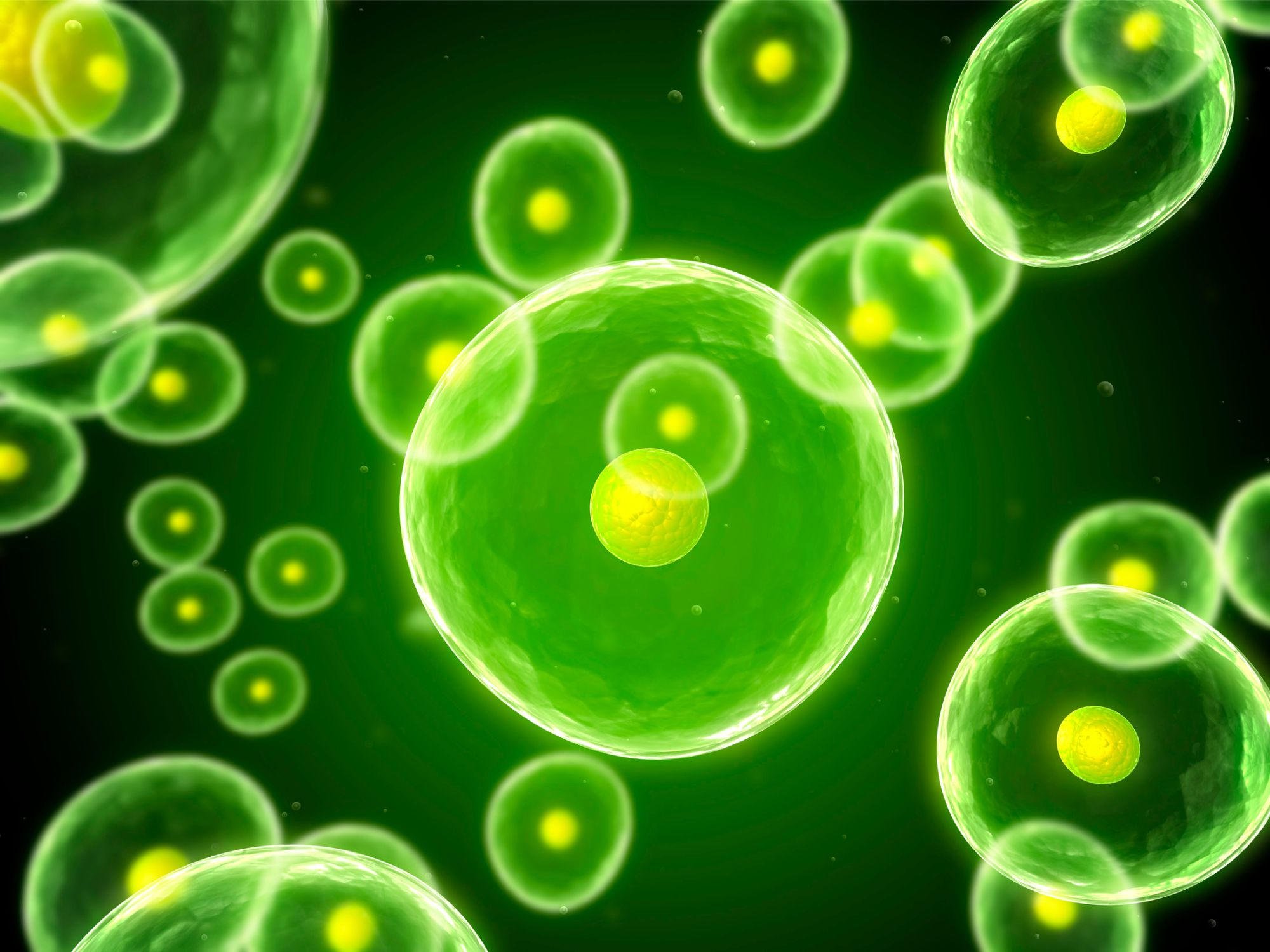

Senescent cells are distinct in that they eventually stop multiplying but do not die off as expected.
Senescent Cells Help To Heal Damaged Tissues
According to a recent study from the University of California, San Francisco, not all senescent cells are detrimental “zombies” that need to be eliminated to avoid age-related diseases. Instead, some of them are embedded in young, healthy tissues and promote normal recovery from damage.
Scientists have now seen these cells in action in lung tissue as well as other organs that serve as barriers in the body, such as the small intestine, colon, and skin. When they employed drugs known as senolytics to eliminate these cells, lung tissue damage healed more slowly.
“Senescent cells can occupy niches with privileged positions as ‘sentinels’ that monitor tissue for injury and respond by stimulating nearby stem cells to grow and initiate repair,” said Tien Peng, MD, associate professor of pulmonary, critical care, allergy and sleep medicine, and senior author of the study, which was recently published in the journal Science.
Aging Cells Can Both Damage and Heal
It’s understandable, according to Peng, that scientists initially saw senescent cells as purely harmful. Senescent cells, which have the characteristics of old, worn-out cells and the inability to make new cells, accumulate as humans age. Instead of dying, they live on, spewing a mix of inflammatory substances that form the senescence-associated secretory phenotype (SASP). These variables have been linked to DOI: 10.1126/science.abf3326
The study was funded by the National Institutes of Health.


