


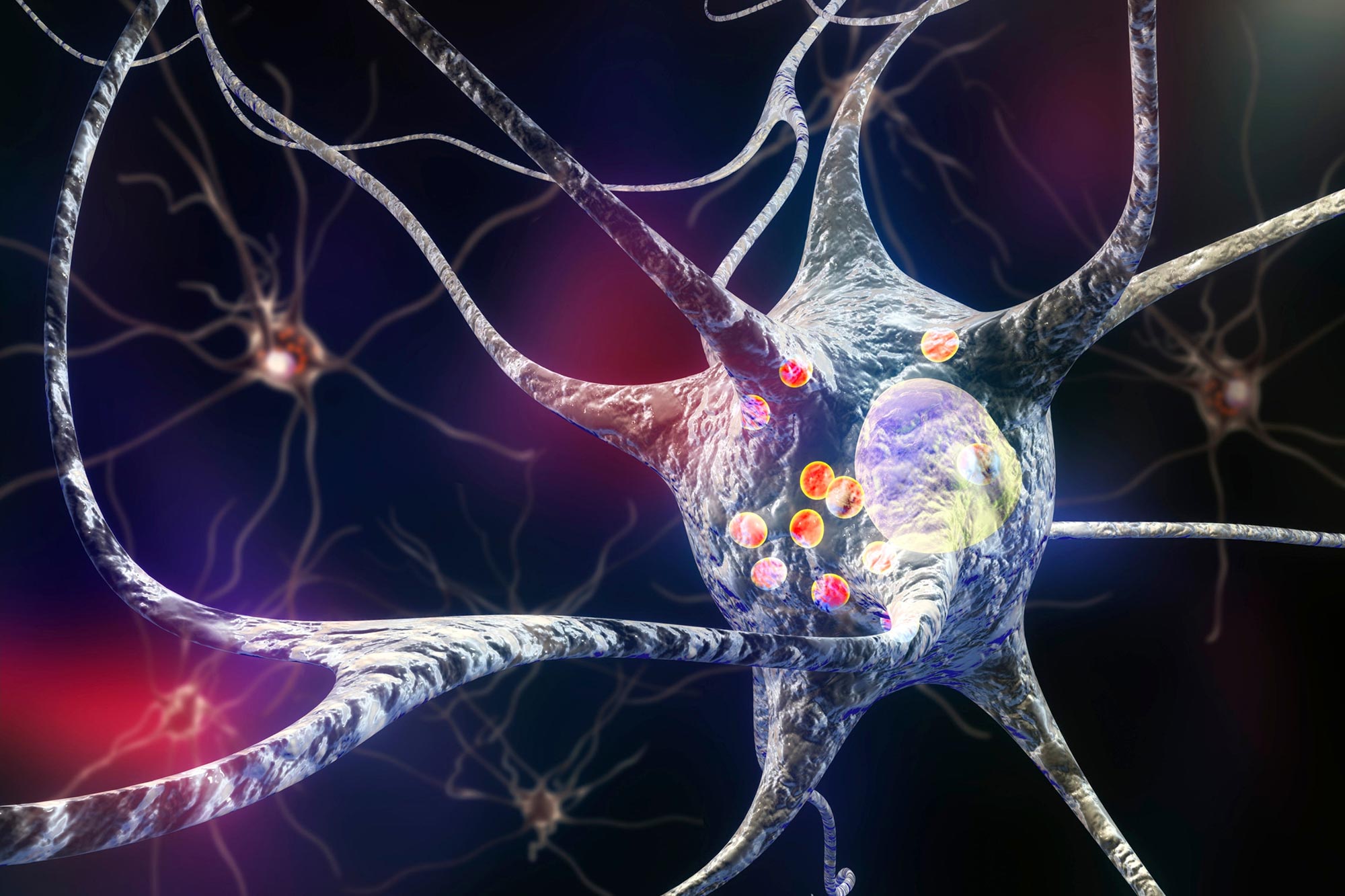
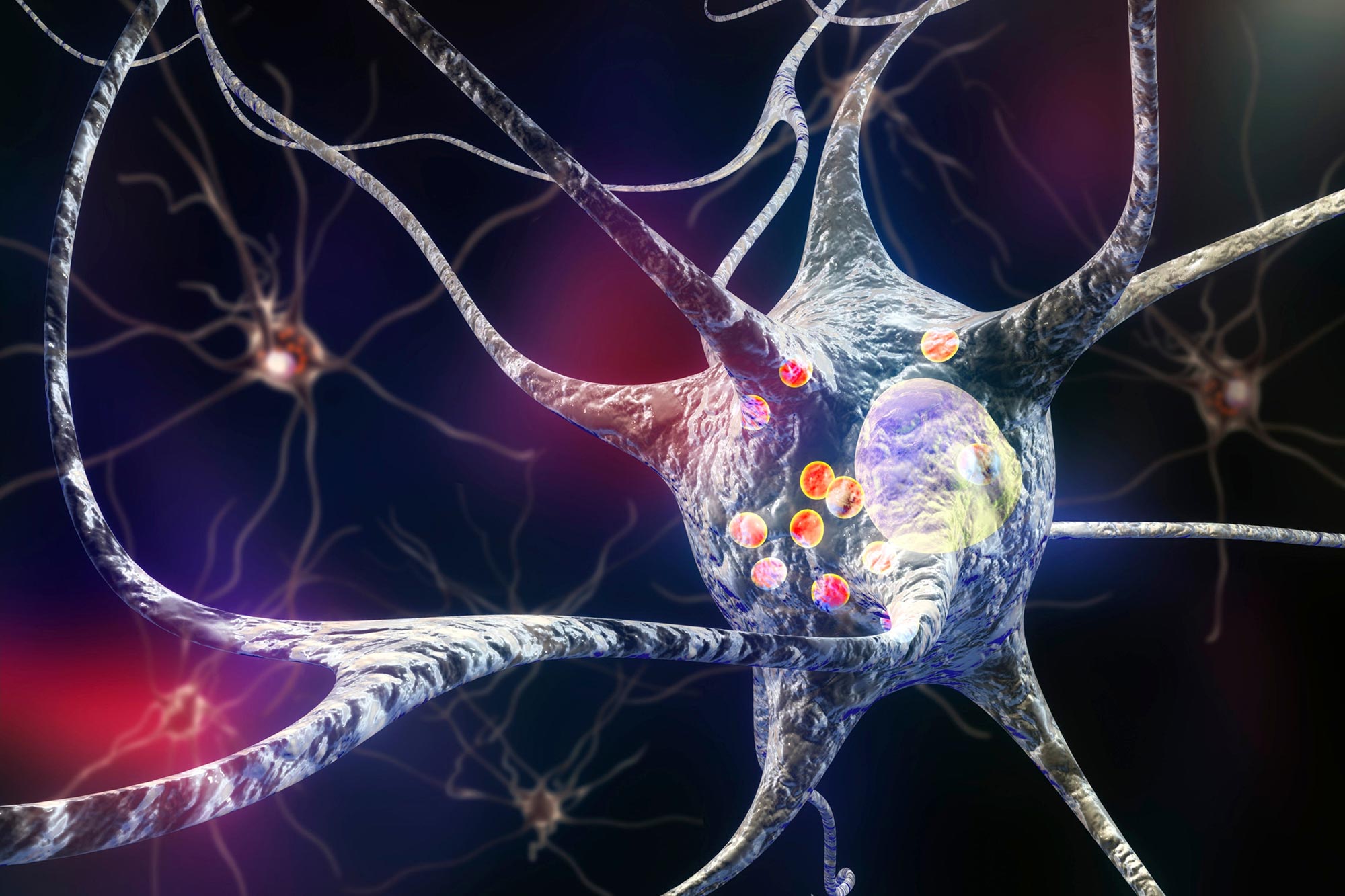
Parkinson’s disease is a progressive neurological disorder that affects movement and mobility. It is caused by the degeneration of dopamine-producing neurons in the brain, leading to symptoms such as tremors, stiffness, slow movements, and impaired balance and coordination.
The team utilized a technique that they believe could speed up the drug discovery process in the production of lissodendoric acid A.
Organic chemists at the University of California, Los Angeles (UCLA) have synthesized the first artificial form of a molecule found in a sea sponge, which holds potential therapeutic benefits for Parkinson’s disease and similar disorders. The molecule, named lissodendoric DOI: 10.1126/science.ade0032