



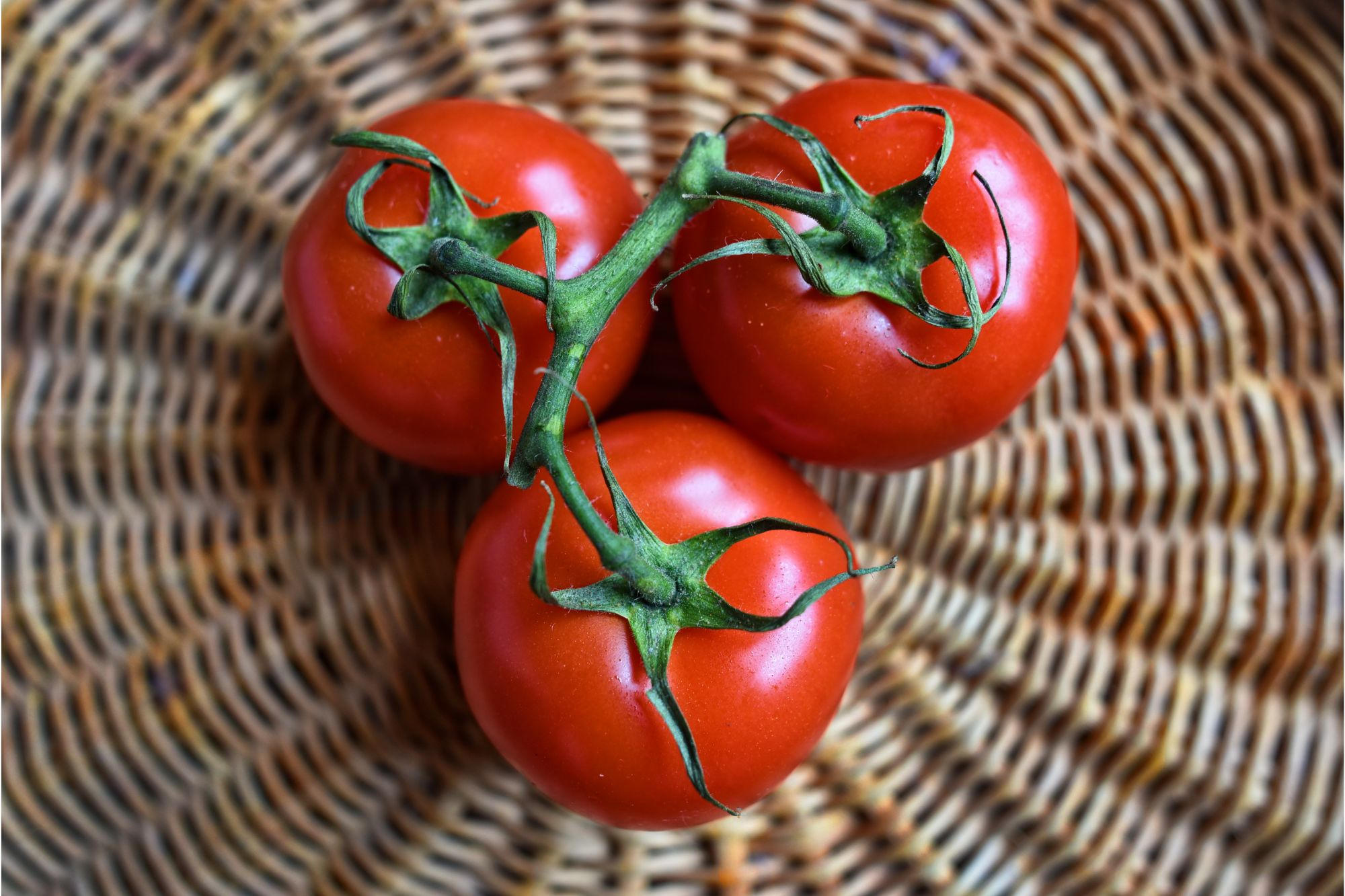
The researchers discovered that young pigs that ate a diet high in tomatoes for two weeks had an increase in the diversity of their gut microbes and a shift in their gut bacteria towards a more favorable profile.
According to researchers, the favorable results obtained from studies on pigs warrant further investigation in human subjects.
According to researchers, a diet heavy in tomatoes for two weeks led to an increase in the diversity of gut microbes and a change in gut bacteria towards a more favorable profile in young pigs.
Based on these findings from a short-term intervention, the research team plans to conduct similar studies in humans to explore the potential health-related connections between consuming tomatoes and changes to the human gut microbiome.
“It’s possible that tomatoes impart benefits through their modulation of the gut microbiome,” said senior author Jessica Cooperstone, assistant professor of horticulture and crop science and food science and technology at The Ohio State University.
“Overall dietary patterns have been associated with differences in microbiome composition, but food-specific effects haven’t been studied very much,” Cooperstone said. “Ultimately we’d like to identify in humans what the role is of these particular microorganisms and how they might be contributing to potential health outcomes.”
The research was recently published in the journal Microbiology Spectrum.
The tomatoes used in the study were developed by Ohio State plant breeder, tomato geneticist, and co-author David Francis, and are the type typically found in canned tomato products.
Ten recently weaned control pigs were fed a standard diet and 10 pigs were fed the standard diet fine-tuned so that 10% of the food consisted of a freeze-dried powder made from the tomatoes.
Fiber, sugar, protein, fat, and calories were identical for both diets. The control and study pig populations lived separately, and researchers running the study minimized their time spent with the pigs – a series of precautions designed to ensure that any microbiome changes seen with the study diet could be attributed to chemical compounds in the tomatoes.
Microbial communities in the pigs’ guts were detected in fecal samples taken before the study began and then seven and 14 days after the diet was introduced.
The team used a technique called shotgun metagenomics to sequence all microbial DOI: 10.1128/spectrum.02506-22
The study was funded by the U.S. Department of Agriculture, the Ohio Agricultural Research and Development Center, and the Foods for Health initiative at Ohio State.