


By Washington University in St. LouisSeptember 23, 2022
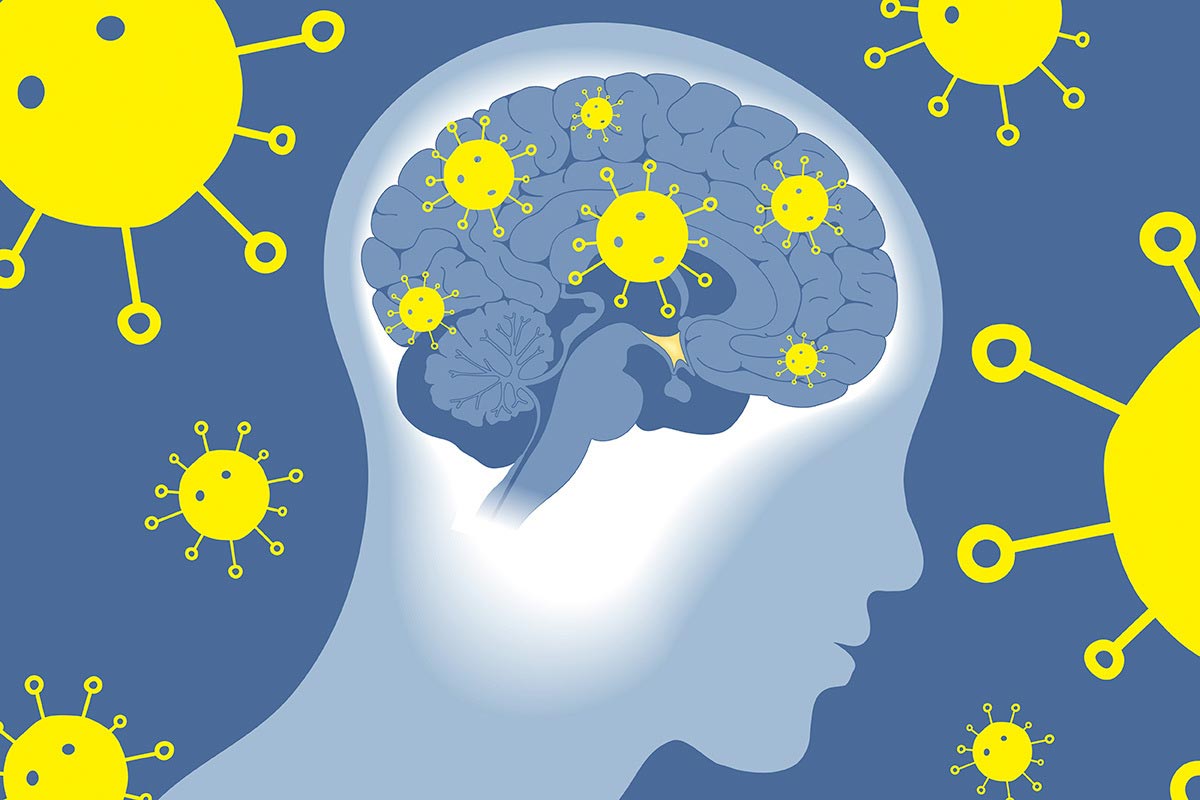
People who have had COVID-19 are at an elevated risk of developing neurological conditions within the first year after infection, according to a detailed analysis of federal data by researchers at Washington University School of Medicine in St. Louis. Movement disorders, memory problems, strokes, and seizures are among the complications. Credit: Sara Moser/Washington University School of Medicine
Strokes, seizures, memory, and movement disorders are among problems that develop in the first year after infection.If you’ve had 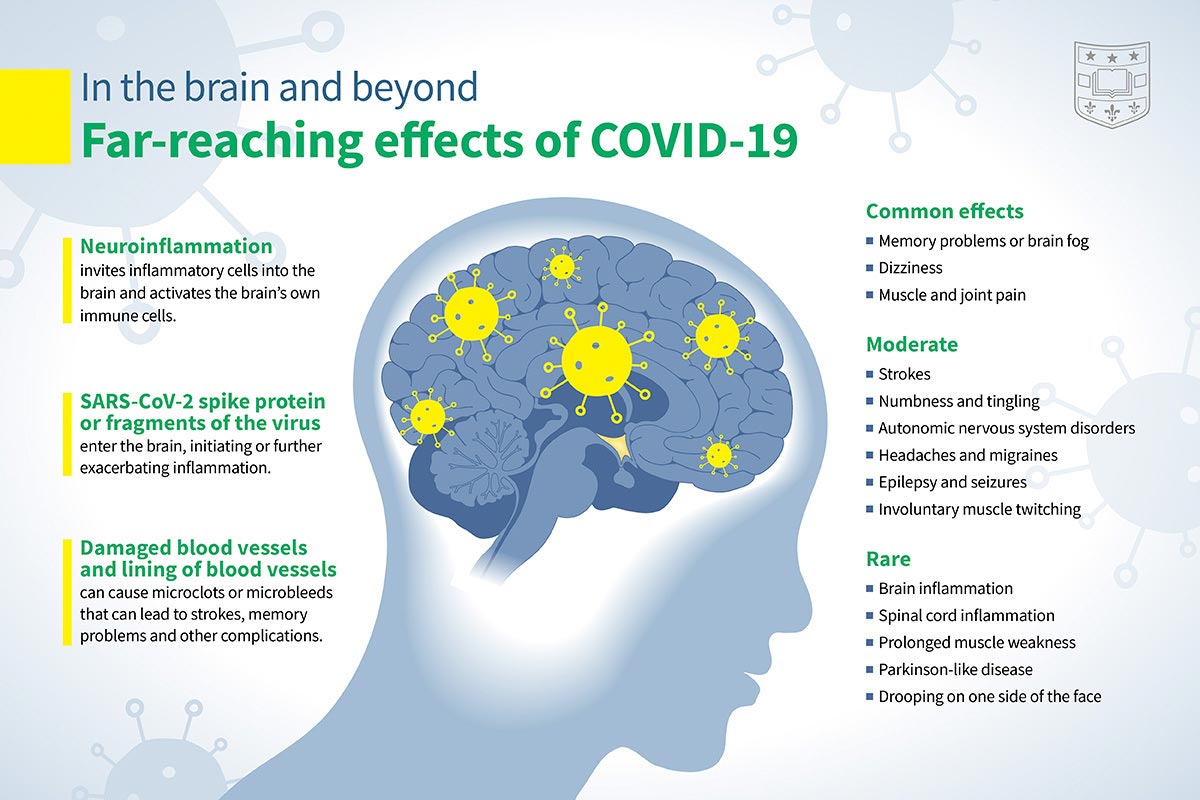
A comprehensive analysis of federal data by researchers at Washington University School of Medicine in St. Louis shows people who have had COVID-19 are at an elevated risk of developing neurological conditions within the first year after infection. Movement disorders, memory problems, strokes, and seizures are among the complications. Credit: Sara Moser/Washington University School of Medicine
Other than having a COVID-19 infection, specific risk factors for long-term neurological problems are lacking. “We’re seeing brain problems in previously healthy individuals and those who have had mild infections,” Al-Aly said. “It doesn’t matter if you are young or old, female or male, or what your race is. It doesn’t matter if you smoked or not, or if you had other unhealthy habits or conditions.”Very few of the study participants were vaccinated for COVID-19. This is because the vaccines were not yet widely available during the time span of the study, which ran from March 2020 through early January 2021. Notably, the data also predates delta, omicron, and other COVID variants.
“Overall, COVID-19 has contributed to more than 40 million new cases of neurological disorders worldwide.”
A previous study led by Al-Aly that was published in Nature Medicine found that vaccines slightly reduce — by about 20% — the risk of long-term brain problems. “It is definitely important to get vaccinated but also important to understand that they do not offer complete protection against these long-term neurologic disorders,” Al-Aly said.The scientists analyzed about 14 million de-identified medical records in a database maintained by the U.S. Department of Veterans Affairs. They are the nation’s largest integrated healthcare system, and patients included all ages, races, and sexes.Next, the research team created a controlled data set of 154,000 people who had tested positive for COVID-19 sometime from March 1, 2020, through January 15, 2021, and who had survived the first 30 days after infection. Neurological outcomes in the COVID-19 data set were compared using statistical modeling with two other groups of people not infected with the virus: a control group of more than 5.6 million patients who did not have COVID-19 during the same time frame; and a control group of more than 5.8 million people from March 2018 to December 31, 2019, before the pandemic which as left millions across the globe infected and killed by the SARS-CoV-2 virus.

Ziyad Al-Aly, MD, has led multiple studies on long COVID as a clinical epidemiologist at Washington University School of Medicine in St. Louis and the Veterans Affairs St. Louis Health Care system. His research has included the devastating effects of the virus on the heart, kidneys, and mental health. Credit: Matt Miller/Washington University School of Medicine
Brain health was analyzed by the scientists over a year-long period. Compared with those who had not been infected with the virus, neurological conditions were 7% more common in people with COVID-19. Extrapolating this percentage based on the number of COVID-19 cases in the U.S. translates to approximately 6.6 million people who have suffered brain impairments associated with the SARS-CoV-2 virus.One of the most common brain-related, long-COVID symptoms is memory problems — colloquially called brain fog. People who contracted the virus were at a 77% increased risk of developing memory problems compared with those in the control groups. “These problems resolve in some people but persist in many others,” Al-Aly said. “At this point, the proportion of people who get better versus those with long-lasting problems is unknown.”Interestingly, the research team noted an increased risk of mental health disorders such as anxiety or depression, and 35% more likely to experience mild to severe headaches. They were also 42% more likely to encounter movement disorders, which includes involuntary muscle contractions, tremors, and other Parkinson’s-like symptoms.COVID-19 sufferers were also 30% more likely to have eye problems such as blurred vision, dryness, and retinal inflammation. They were also 22% more likely to develop hearing abnormalities such as tinnitus, or ringing in the ears.“Our study adds to this growing body of evidence by providing a comprehensive account of the neurologic consequences of COVID-19 one year after infection,” Al-Aly said.Long COVID’s effects on the brain and other systems emphasize the need for governments and health systems to develop policy, and public health and prevention strategies to manage the ongoing pandemic and devise plans for a post-COVID world, Al-Aly said. “Given the colossal scale of the pandemic, meeting these challenges requires urgent and coordinated — but, so far, absent — global, national, and regional response strategies,” he said.Reference: “Long-term neurologic outcomes of COVID-19” by Evan Xu, Yan Xie and Ziyad Al-Aly, 22 September 2022, Nature Medicine.
DOI: 10.1038/s41591-022-02001-zThis research was funded by the U.S. Department of Veterans Affairs; the American Society of Nephrology; and KidneyCure. The data that support the findings of this study are available from the U.S. Department of Veterans Affairs. VA data are made freely available to researchers behind the VA firewall with an approved VA study protocol.