


Network Rail raised spending among its leading suppliers by 12%, with major power supplier EDF continuing to rank as the biggest supplier followed by signalling and train control specialist Siemens Mobility in second place.
| Network Rail’s top 20 suppliers by spend | |||||
|---|---|---|---|---|---|
| Rank | Supplier | 2021/22 | 2020/21 | 2020/19 | % latest total |
| 1 | EDF Energy Customers | £474m | £407m | £425m | 6.1% |
| 2 | Siemens Mobility | £353m | £289m | £121m | 4.6% |
| 3 | BAM Nuttall | £317m | £247m | £202m | 4.1% |
| 4 | East West Rail Phase 2 Alliance | £242m | £173m | £86m | 3.1% |
| 5 | J Murphy & Sons | £233m | £206m | £146m | 3.0% |
| 6 | Amalgamated Construction | £221m | £199m | £175m | 2.9% |
| 7 | Amey Rail | £172m | £124m | £263m | 2.2% |
| 8 | Colas Rail (RS Alliance) | £170m | £163m | n/a | 2.2% |
| 9 | Alexander Mann Solutions | £131m | n/a | n/a | 1.7% |
| 10 | Balfour Beatty Rail (RS Alliance) | £127m | £122m | n/a | 1.6% |
| 11 | Balfour Beatty Rail | £119m | £141m | £225m | 1.5% |
| 12 | Colas Rail | £115m | £110m | £169m | 1.5% |
| 13 | Atkins | £113m | £112m | £90m | 1.5% |
| 14 | Story Contracting | £110m | £111m | £77m | 1.4% |
| 15 | QTS Group | £110m | £109m | £89m | 1.4% |
| 16 | Octavius Infrastructure | £105m | £93m | £91m | 1.4% |
| 17 | Alstom Transport UK | £99m | n/a | n/a | 1.3% |
| 18 | SPL Powerlines UK | £93m | n/a | n/a | 1.2% |
| 19 | British Steel | £84m | £86m | n/a | 1.1% |
| 20 | VolkerRail | £80m | n/a | £97m | 1.0% |
| Total top 20 suppliers spend | £3.47bn | £3.1bn | £2.7bn | 44.8% | |
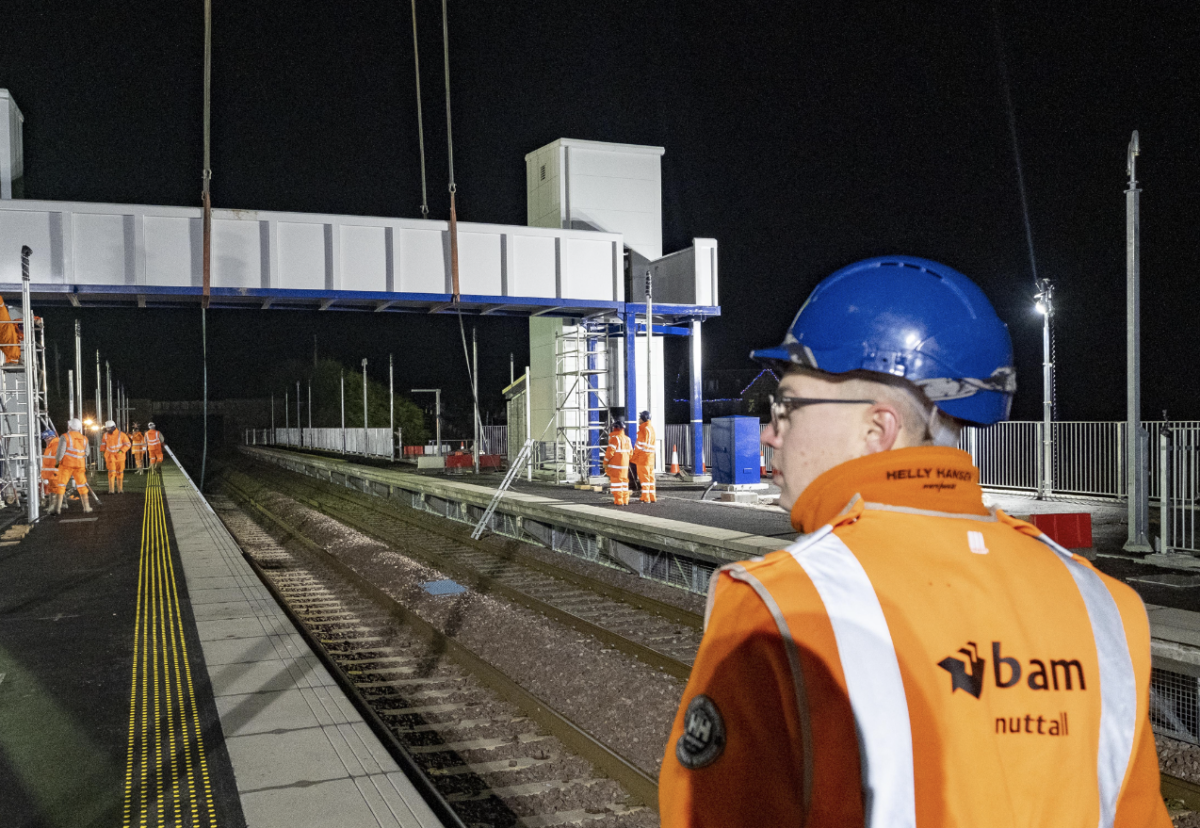
Among the civils contractors, BAM Nuttal ranked top after a whopping 28% jump in rail revenue to £317m.

Combined revenue from Colas Rail and its Rail Systems Alliance operations, listed separately by Network Rail, when combined captured a total spend of £285m.
Likewise, Balfour Beatty Rail’s combined revenue with Network Rail totalled £246m, ranking it third among the main civil engineering contractors.
The top 20 suppliers saw their take of total spending in the supply chain rise to nearly 45%, up from 41% in 2019/20.