




Story by
Ioanna Lykiardopoulou
Ioanna is a writer at SHIFT. She likes the transition from old to modern, and she’s all about shifting perspectives.
Ioanna is a writer at SHIFT. She likes the transition from old to modern, and she’s all about shifting perspectives.
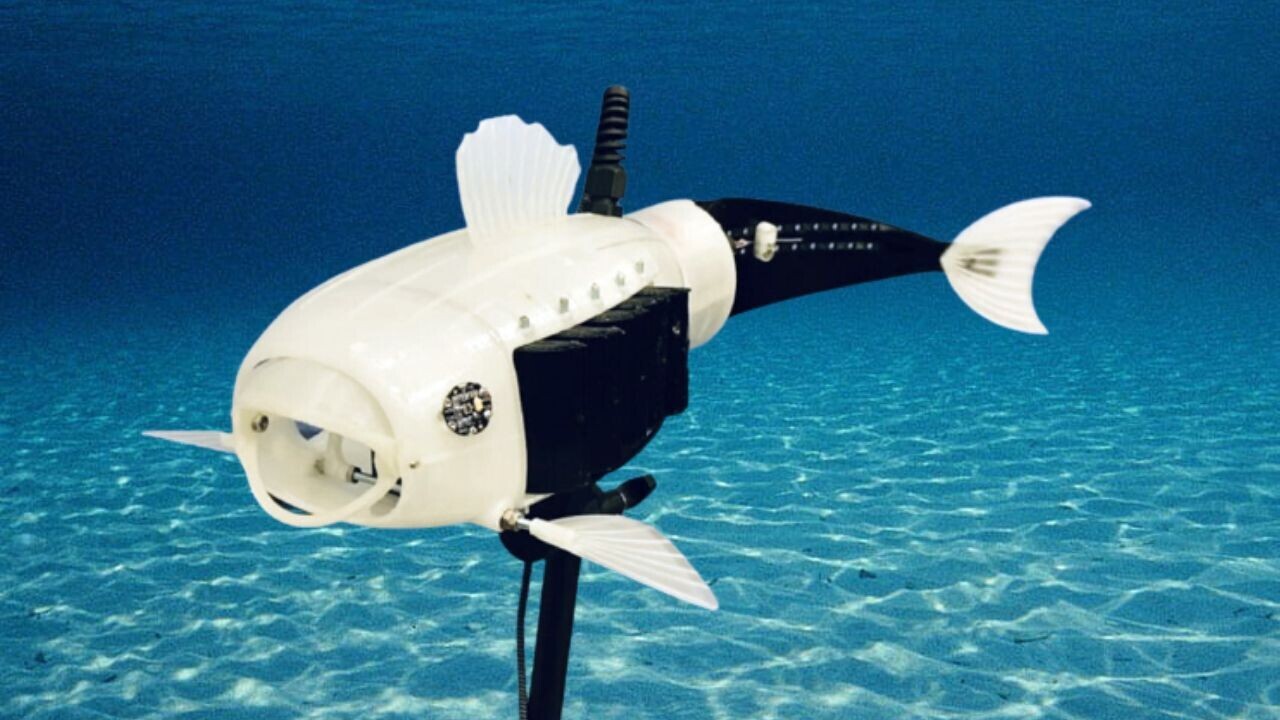
A robot fish that collects microplastics from waterways has been turned from an idea into a working prototype. The design was brought to life after it won the University of Surrey’s public competition, the Natural Robotics Contest.
The contest, which ran in the summer of 2022, invited the public to submit an idea for a bio-inspired robot that could help the world.
An international panel of judges chose the robot fish concept designed by student Eleanor Mackintosh because it could help reduce the amount of plastic pollution in water. The winning design was subsequently turned into a functioning prototype.
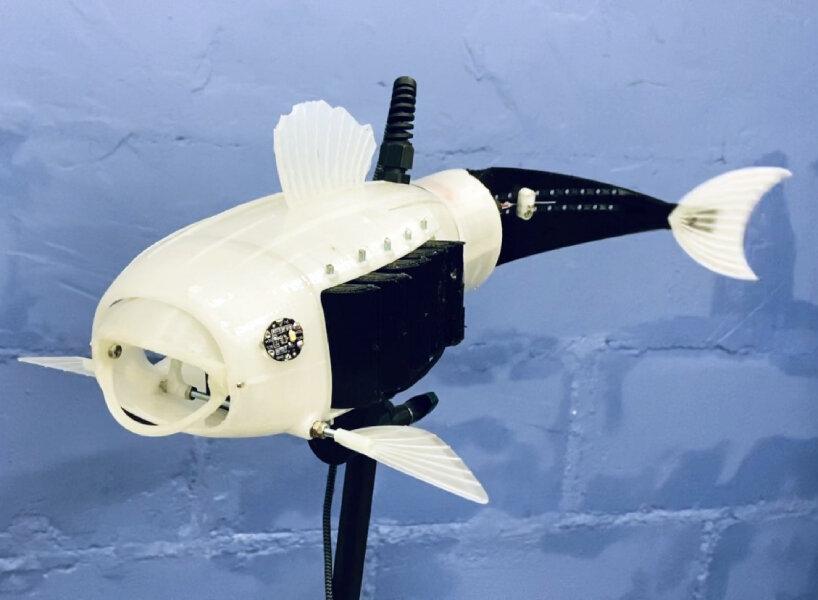
The robotics panelists and researchers, led by Dr. Robert Siddall, turned Mackintosh’s design into a 3D-printed prototype about the size of a salmon.
Named “Gillbert,” the device consists of a flooded head unit and a watertight tail unit. Thanks to a set of gills on its sides and a fine mesh in between them that can sieve about two-millimeter particles, the robotic fish filters the water and keeps the microplastics inside its container as it swims.
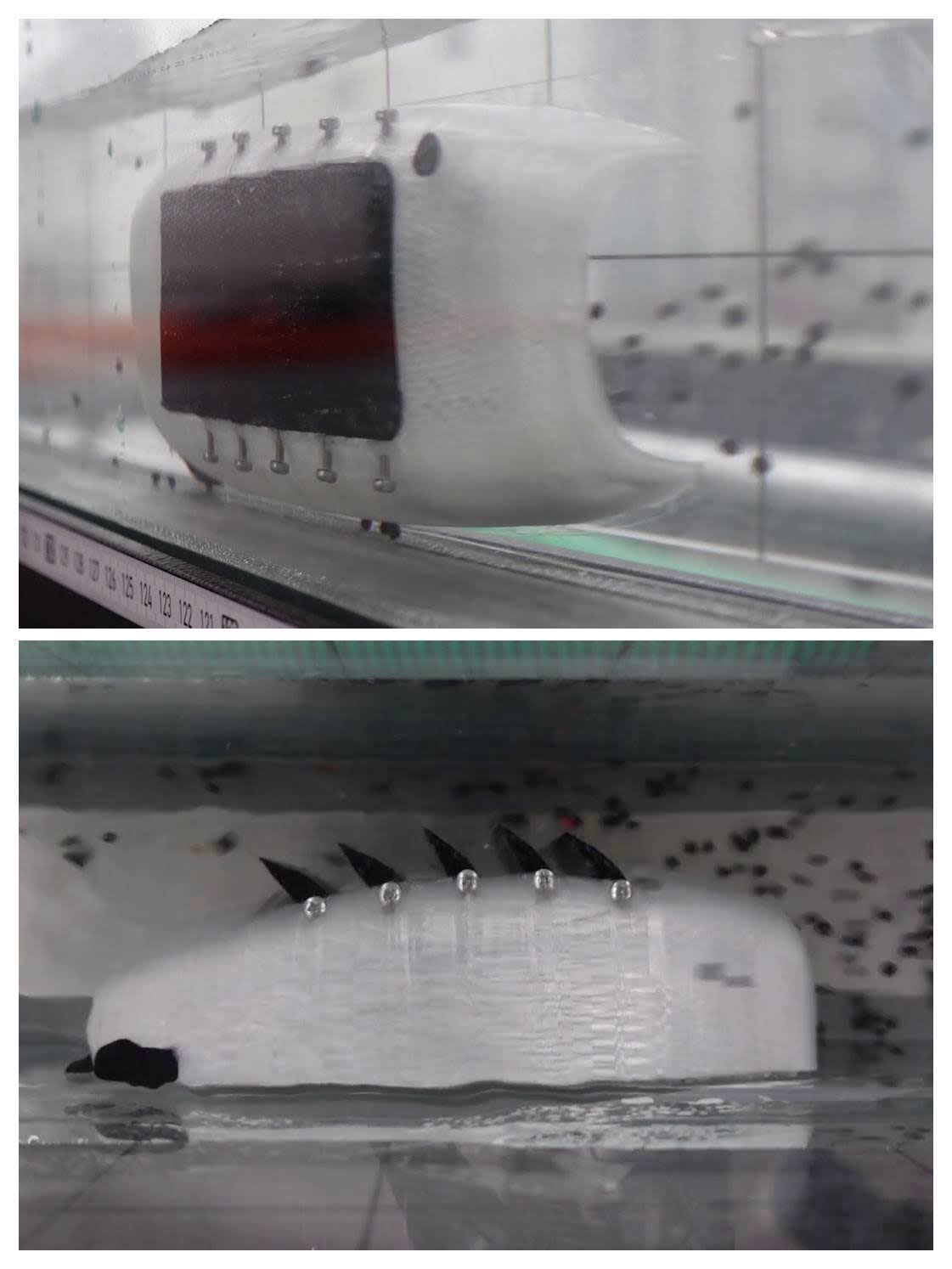
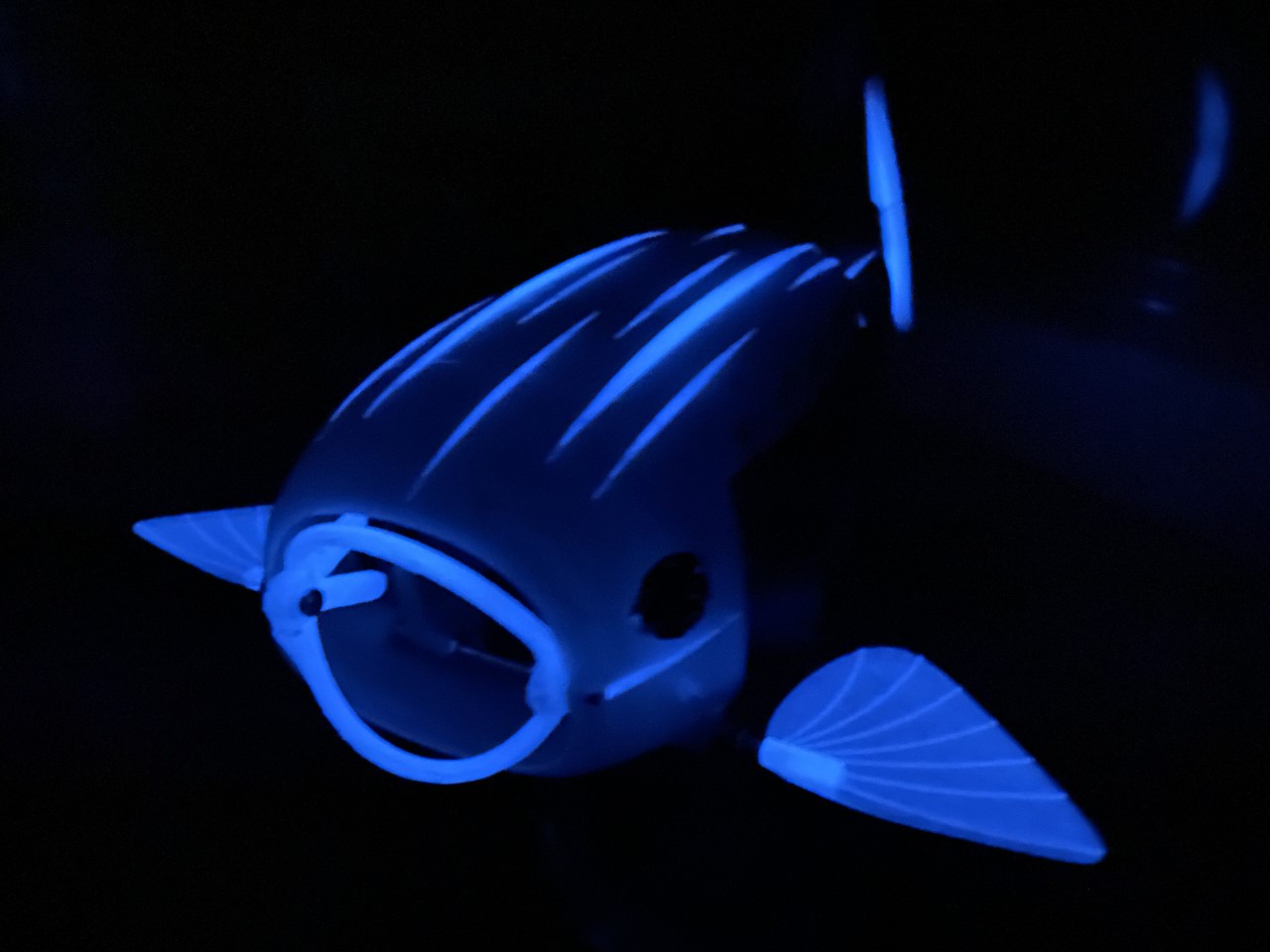
Gillbert has already been tested in the lab and local lakes — and it even glows in the dark.
According to Siddall, the team is envisioning a range of improvements for the robot, aiming to make it faster and smarter, as well as being able to operate autonomously, rather than being remote controlled.
If you’re interested in getting to know more about this plastic-sucking robot, you can find the full research here, or check out the video below: